MESCO turns 70. Join our anniversary in-house exhibition, October 14–16. Learn more
Our story

Seventy years of precision

MESCO has grown from a Manila partnership into the company that brought CNC to the Philippines, and then into a manufacturer exporting parts to Japan.

1956–1966

Founding

Peter N. Lee and Mercy Lee founded MESCO in postwar Manila. It formed early, lasting relationships with Mitutoyo and Yamazaki (now Mazak) and brought in many of the country’s first advanced machine tools. It began training customers in the 1960s and still does.
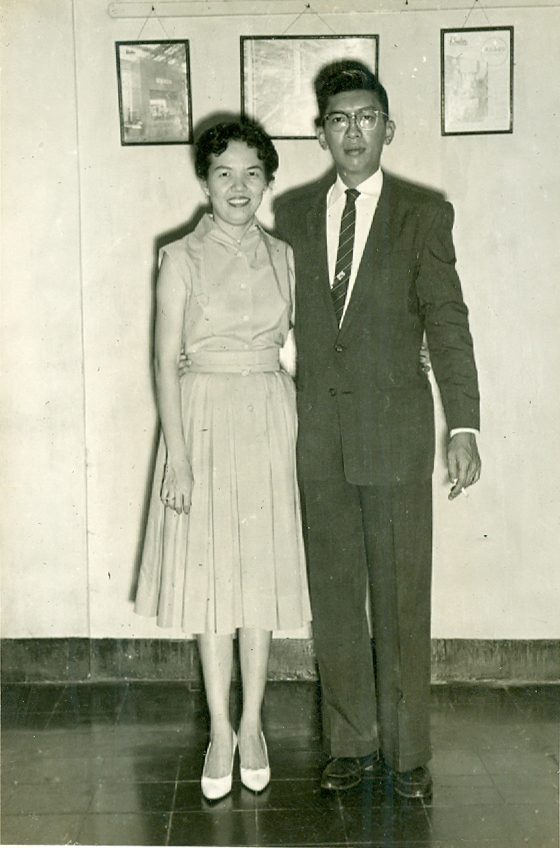
Peter and Mercy Lee, formally posed
1967–1988

Pioneering CNC

MESCO built its Pasig headquarters, incorporated in 1973, and in 1981 installed the Philippines’ first CNC machine. It went on to deliver turnkey plant projects from planning through operator training.
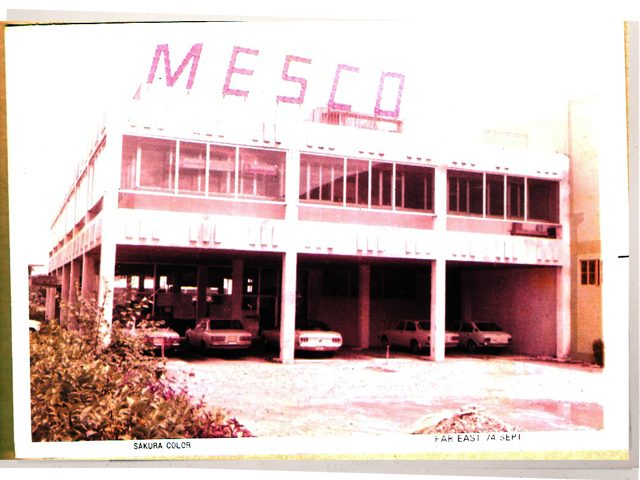
The MESCO building in Pasig, a two-storey modernist office building with MESCO lettering on the facade
1989–2003

Supplier to manufacturer

MESCO Manufacturing launched in 1989 and made its first export shipment, to Japan, in 1996. It now makes parts for Mazak, one of MESCO’s own principals.

The MESCO building frontage hung with a banner advertising the 2001 technology show
2004–today

A new generation

Allen Lee became president in 2004. MESCO opened its Technology Center in 2006, and MESCO Manufacturing earned ISO 13485 certification in 2024. In 2026 the third generation, David and Robert Lee, became vice presidents.
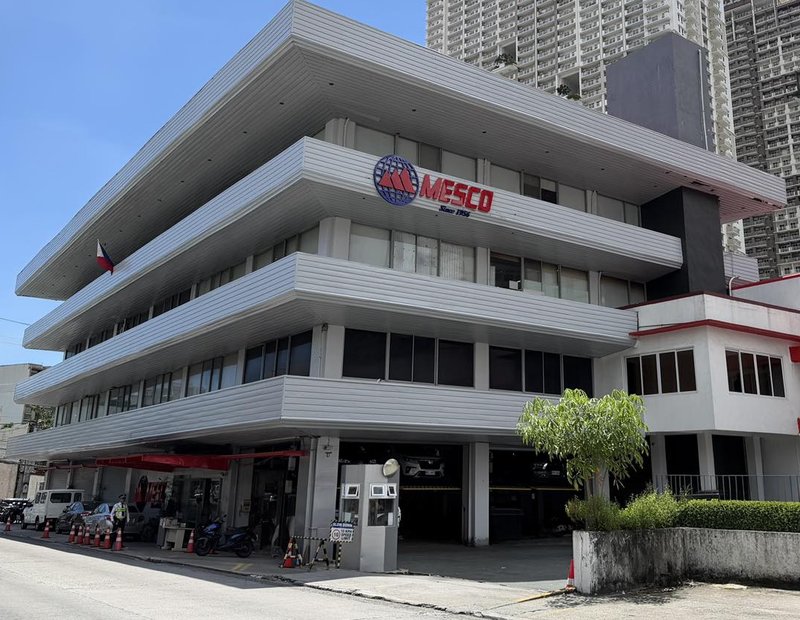
The MESCO building in Pasig today: a three-tier white facade with the MESCO logo
1956 Founded in Manila
1959 Moves to Malate
1960–61 Introduces the country's first automatic screw machine
Early 1960s Starts training staff abroad and runs in-house customer training
1962 Moves to Makati; introduces the country's first optical-table milling machine and first EDM
1964 Introduces the country's first 5-axis tool-and-die milling and boring machine
1967 Begins building the Pasig headquarters
1973 Incorporates; installs the first NC vertical milling machine
1979 Installs an IBM System/34 for inventory
1981 Installs the first CNC machine in the Philippines, a Mazak Quick Turn 10
1980s Introduces its first CNC machining centers and CMMs
1980s Delivers semi-turnkey plant projects
1989 Establishes MESCO Manufacturing
1996 Makes its first export shipment, to Japan
2004 Allen Lee becomes president
2006 Opens the Technology Center; adopts a new logo and vision statement
2016 Marks its 60th anniversary with a four-day in-house show
2016 MESCO Manufacturing begins making medical device components (bone implants) for the US market
2018 MESCO Manufacturing begins making ultra-high-purity flow regulator components for export
2021 MESCO Manufacturing completes its high-precision machining area, doubling its factory floor to 2,250 sqm
2024 MESCO Manufacturing is certified to ISO 13485:2016 for medical device components (bone implants), the first Filipino company ISO certified to export to the US
2026 Celebrates its 70th founding anniversary; names new vice presidents

What the mark means

The MESCO wordmark, in red

Red

Red is a Chinese color of good fortune, the color behind the MESCO wordmark from the start.

The MESCO globe, added in 2006

The globe

Added when the logo was redesigned in 2006, the globe marks the ambition to be known internationally, not just at home.

The MESCO mark: three rising pillars that together form an M

Three rising pillars

Each triangle is a promise: before a customer buys a machine, MESCO engineers produce that customer’s own part on an identical or similar machine, so its accuracy can be verified, its cycle time timed for productivity, and its economics calculated. The pillars also grow taller left to right, for the ambition to be the best and the biggest, and together they trace the letter M.

Philippine craftsmanship, alongside the world's best

MESCO introduced world-class machine tools to the Philippines, and it now makes parts for the companies that build them.